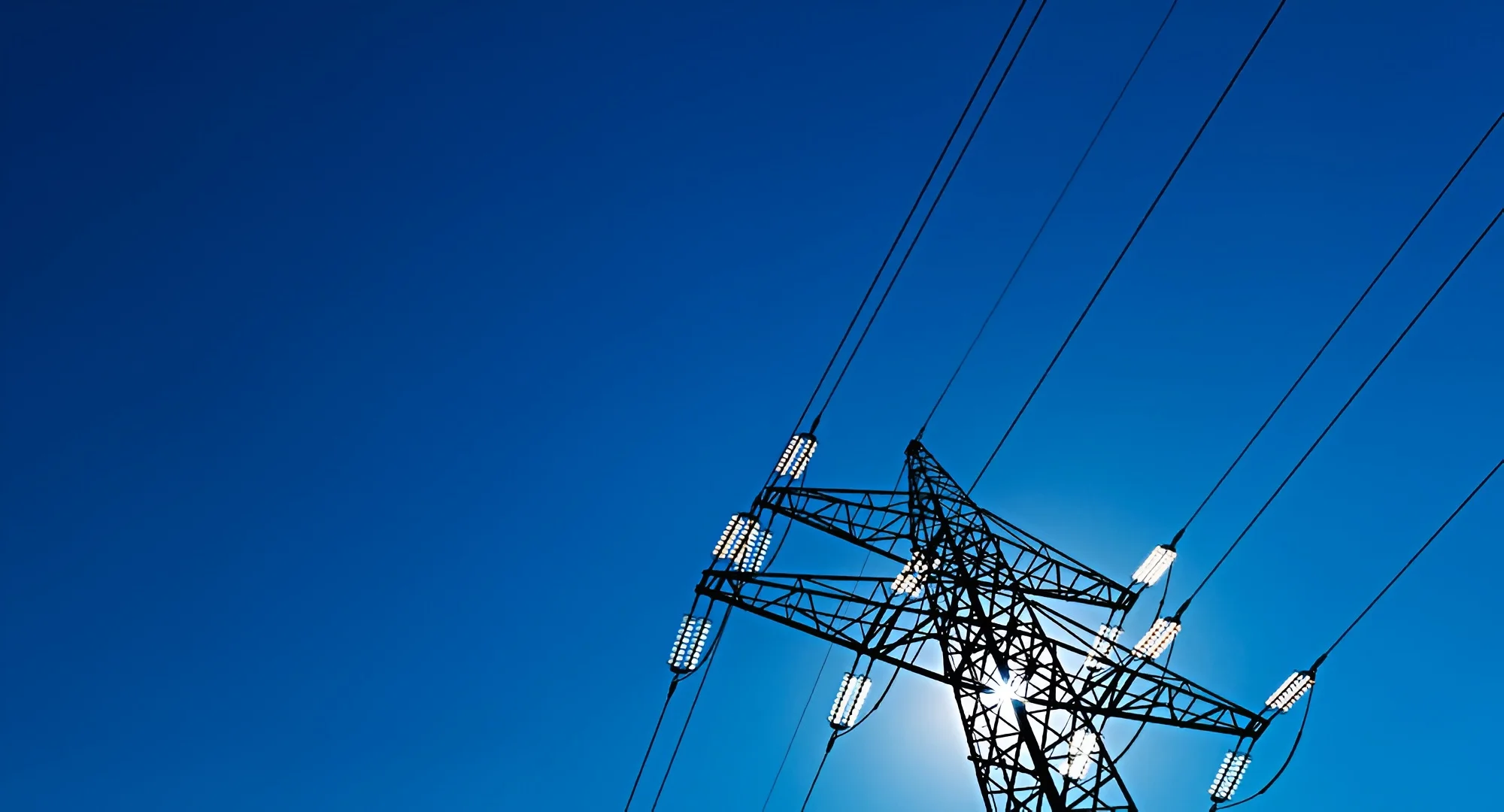
It’s a cloudless Tuesday in June, just after noon. Across the Netherlands, solar energy production is peaking, and the day-ahead electricity price has dropped below zero. At a 30-hectare solar park in the east of the country, the solar park operator receives the familiar instruction from the grid operator: to curtail production. Solar panels that cost millions to install are idle during the most productive hours of the year.
A few kilometers away, a tomato grower faces a different challenge. Summer is the time when greenhouse crops require the most CO₂, but with power prices so low, the grower's gas-fired CHP (combined heat and power) units are switched off. As a result, no CO₂ is being produced from the flue gas. To compensate, a tanker arrives with liquid fossil CO₂, mostly sourced from an oil refinery, at an increasingly unpredictable price.
On one side of the road, there is surplus energy; on the other, a costly shortage. However, there is no connection between these two situations. This gap presents a business opportunity, and energy providers are well-positioned to help bridge it.
Skypark offers energy providers a new way to grow: by partnering in a local hub that turns their abundant power and heat into circular, fossil-free CO₂.
A Skypark is a regional hub that captures CO₂ directly from the air and supplies it to local businesses. These hubs are built at or near existing energy sites and are often co-owned by the energy providers that supply them.
Each Skypark brings together a group of partners. Skytree provides the Direct Air Capture (DAC) technology. Energy providers supply the power and heat, and can co-own the project. Local businesses, like greenhouse growers, drinks producers and dry ice suppliers, buy the CO₂ on long-term contracts at a stable price.
This is a new model for energy providers. They do not need to develop new technology or enter the CO₂ market alone. They can bring what they already have, energy, sites and local relationships, and become part of a new local CO₂ supply chain.
The DAC units in a Skypark run on two inputs energy providers already produce: electricity to capture CO₂ from the air, and heat to release it. This means securing a large, long-term customer for energy providers. Additionally, as potential co-owners, they also could benefit from a share of the CO₂ revenues and profits.
A Skypark can also utilize energy that would otherwise go unsold, including:
Leftover geothermal heat: In certain geothermal locations, like New Zealand, the water remains hot after generating electricity. Instead of being returned underground through a reinjection well, this heat can be used to drive CO₂ production first.
Excess electricity: In the Netherlands, the power grid can become congested, leading solar and wind parks to be asked to reduce their output. New energy projects may wait years to connect to the grid.
Low or negative electricity prices: On particularly sunny or windy days, electricity prices can drop to zero or even below.
Waste heat: Many industrial sites release heat that cannot be used by nearby facilities.
In each case, energy that was difficult to sell now has a buyer, contributing to a product with growing demand.
Growing demand for circular CO₂: Most CO₂ used by greenhouses, drinks producers and dry ice suppliers is a by-product of fossil processes, a supply that is becoming increasingly unreliable. Air-captured CO₂ made with renewable energy is circular and sustainable. Buyers can incorporate this CO₂ into their sustainability reports, which is an expectation that retailers and consumers are increasingly holding.
Flexibility for the grid: DAC units can increase production when power is abundant and decrease it when the grid faces strain. This capability allows a Skypark to serve as a controllable load, creating opportunities for revenue through congestion management and balancing markets. Read more about how DAC supports seasonal grid balancing in Dutch greenhouse horticulture.
A stronger position with existing customers: An energy provider that supplies power, heat, and CO₂ together can become a more integrated partner for local businesses, making it harder for them to be replaced.
Every Skypark is set up as its own project company, and energy providers can join in different ways:
Energy supplier: Supply power or heat to the Skypark under a long-term agreement.
Site host: Provide land at or near an existing energy site.
Co-owner: Contribute energy, land and/or capital in exchange for a share of the Skypark, and share in its returns.
Skytree provides the Direct Air Capture technology, so partners do not need to buy, run or maintain any equipment.
For instance, our first Skypark is a 50/50 joint venture with Lingezegen Energy in the Netherlands. Lingezegen already supplies heat and energy to local greenhouses. As co-owner of the Skypark, it now adds circular CO₂ to that offering, supplying ten greenhouses covering about 80 hectares.
The site and customers stay the same. Now Lingezegen offers power, heat and CO₂.

Author
Skytree's VP Carbon Solutions Sales
Camille leads global Carbon Solutions sales at Skytree, driving the adoption of decentralized Direct Air Capture (DAC) technology to combat climate change. With 10 years of international business development experience, she specializes in strategic partnerships and scalable CO₂ solutions, helping industries that utilize CO₂ transition to a circular, sustainable supply with DAC.